

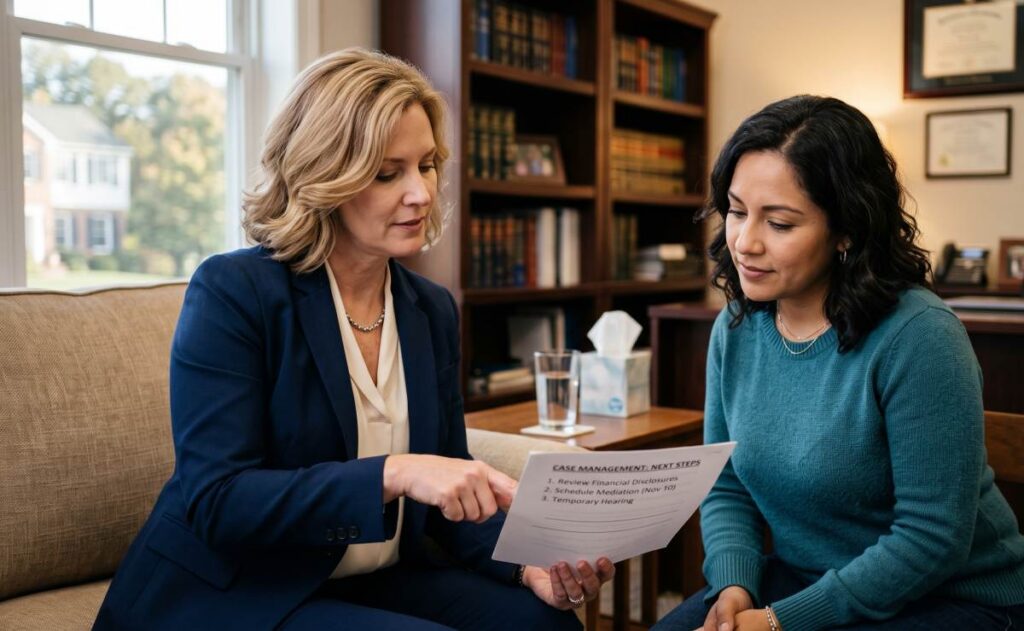
The decision to file for divorce is a major step. The legal procedure that follows can feel overwhelming, especially when you’re already dealing with emotional and practical challenges. But knowing what comes next can make the process feel more manageable.
This article walks through the most common phases of the divorce process in Virginia, from serving papers to receiving your final order, so you can move forward with a clearer picture of the road ahead.
Immediate Steps Following Filing

Once a divorce complaint is filed in the circuit court, it must include specific information required by Virginia law, such as the grounds for divorce and the length of separation. Making sure these details are accurate from the start helps prevent unnecessary delays down the line.
The next step is providing formal notice to your spouse, known as “service of process.” Your spouse receives a copy of the complaint and a summons, which can be delivered by a sheriff, a private process server, or through a voluntary waiver if your spouse is willing to cooperate.
Response from the Other Spouse
After being served, your spouse has 21 days to respond to the complaint. To make sure the next steps and deadlines are adhered to, consult an attorney before or promptly after a response.
What happens next depends on that response:
- If your spouse agrees or files a waiver, the case can move forward more smoothly.
- Negotiations may begin regarding settlement.
- If they dispute key issues, the case becomes contested and will likely require additional hearings or a trial.
- If they don’t respond at all, you may be able to proceed without their cooperation.
Temporary Orders and Hearings
While the divorce is pending, either party can request a temporary hearing for pressing issues such as child custody, spousal or child support, use of the marital home, or protection of marital assets.
The court has authority under Virginia Code § 20-103 to issue these orders. Temporary orders maintain stability during the divorce process. Although they don’t necessarily predict the final outcome, they can set a practical precedent for both parties, so they’re worth taking seriously.
Discovery Process
The discovery phase allows both parties to gather the information needed to make informed decisions. This step is especially important in contested cases, where transparency and fairness are central to reaching a resolution.
In Virginia divorces, discovery typically includes several methods of gathering information:
- Interrogatories: Written questions answered under oath. Virginia allows up to 30.
- Document requests: Records such as bank statements, tax returns, and pay stubs.
- Requests for admissions: Statements one party asks the other to admit or deny, also under oath.
- Depositions: Sworn oral testimony of parties or witnesses, conducted outside the courtroom.
- Subpoenas duces tecum: Requests for documents from third parties, such as employers.
Discovery generally begins shortly after filing and continues until about a month before trial. Responses are typically due within a set number of weeks, and missing a deadline can lead to consequences, including waived objections or court sanctions.
Any information relevant to the case may be included in discovery. Expect questions related to income, assets, debts, child custody details, and more.
Honesty during discovery is not just good practice, it is a legal obligation. Misrepresenting or concealing assets can carry serious consequences in Virginia divorce proceedings.
Protected information: Attorney-client communications remain confidential and cannot be demanded by the other side during discovery. However, if a party withholds documents or information on the basis of privilege, they are typically required to provide a privilege log. This log identifies what is being withheld and the reason for the claim of privilege, without revealing the protected content itself.
Negotiation and Settlement

Many divorces in Virginia are resolved through negotiation, mediation, or collaborative divorce rather than going to trial. These approaches tend to produce faster resolutions, lower costs, and outcomes that both parties have helped shape. Regardless of the method used, representation by an attorney can help make sure agreements are fair, accurate, and enforceable.
Common Forms of Negotiated Settlement
- Property Settlement Agreement (PSA): Addresses the division of marital assets and debts, spousal support, and other financial terms agreed upon by both parties.
- Custody and Visitation Agreement: Outlines parenting time, decision-making responsibilities, and other arrangements related to minor children.
- Child Support Agreement: Establishes the financial support obligations for minor children, typically guided by Virginia’s child support guidelines.
- Marital Settlement Agreement (MSA): Resolves issues of property, custody, and support.
When both parties can come to terms, these agreements are formalized in writing and incorporated into the final order of divorce. However, if agreement cannot be reached on one or more issues, the case may proceed to trial.
Trial Process (If Necessary)
If you and your spouse are unable to reach an agreement, your case may move to trial. While many divorces resolve before this stage, a trial provides a structured setting where a judge reviews the facts and makes final decisions on unresolved issues.
During a divorce trial in Virginia, you can generally expect:
- Focus on unresolved issues: The trial typically centers only on the matters that could not be settled, such as support, custody, or division of assets.
- Presentation of evidence: Each side submits documents such as financial records, communications, or other materials relevant to property division, support, or custody.
- Witness testimony: Both parties, and sometimes third-party witnesses, may testify under oath. This can include financial experts, custody evaluators, or others with relevant insight.
- Legal arguments: Each side’s attorney presents arguments explaining how the law applies to the facts of the case.
- A judge, not a jury, decides the outcome: Divorce cases are heard in circuit court and decided by a judge based on the evidence presented.
After the trial, the judge issues a ruling, either from the bench or in a written order issued later. Because trial can be time-consuming and more costly than settlement, understanding what the process involves can help you prepare and make informed decisions about how to move forward.
Final Order for Divorce
Once all issues are resolved, whether through agreement or trial, the court issues a Final Order for Divorce. This is the legal order that formally ends the marriage.
The final order outlines the terms both parties must follow going forward, including:
- Property division: Property division follows Virginia’s equitable distribution framework under Virginia Code § 20-107.3, with grounds for divorce governed by Virginia Code § 20-91.
- Custody and visitation: Parenting arrangements and responsibilities.
- Child and/or spousal support: Any ongoing support obligations, including duration and amount of support.
Because this order is legally binding, it’s important that the terms are clear, accurate, and reflect what was agreed to or decided.
This final step brings closure to the process and provides a framework for moving forward with clarity. While the Final Order of Divorce marks the legal end of the marriage, there are practical steps to address afterward.
Considerations After Your Divorce
Complying with court orders after divorce is not optional. Violations can result in contempt proceedings. Major life changes, such as job loss or shifting parenting needs, may justify asking the court to modify existing arrangements.
There are also practical steps to address once your divorce is final: updating beneficiary designations, retitling property, and revisiting your estate planning documents.
Divorce is one of the most stressful and emotionally taxing experiences a person can go through. The process involves many moving parts, and each stage carries real implications for your family, finances, and future.
At Eris Law Group, we work with clients throughout Virginia, including Alexandria and the surrounding Northern Virginia area, to provide clear, practical guidance at every stage. We believe in transparent pricing, efficient case management, and honest assessments. Whether your case is straightforward or involves complex assets, military retirement benefits, or federal employee considerations, we are here to help you move forward with confidence.
Contact Eris Law Group online or call (703) 424-9675 to schedule a consultation.

About Us
Eris Law Group provides client-focused representation in family and estate law. We understand that legal issues often stem from personal, emotional situations—and we’re here to bring order to the chaos.
Learn more →